International White Cane Day

A lack of sight is not a lack of vision.

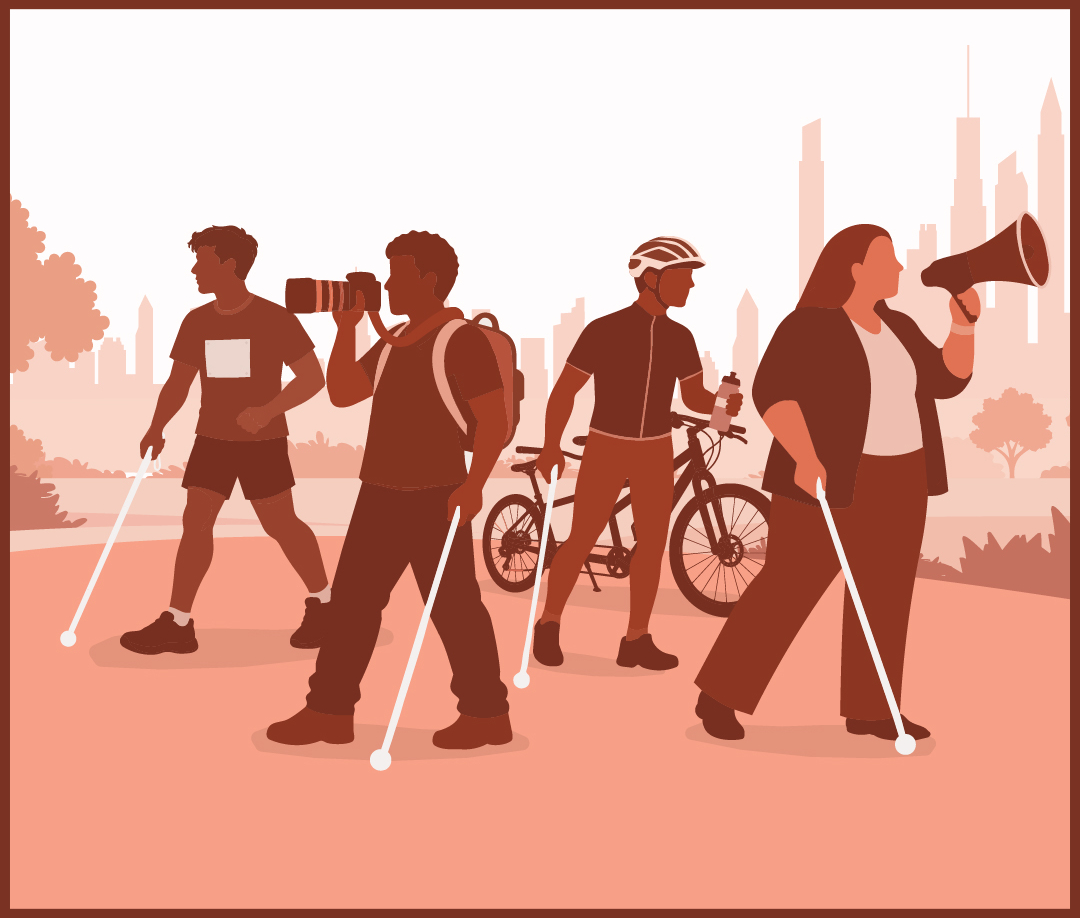
A monochrome illustration shows four diverse people outdoors, some using white canes, with a city skyline in the background.
15 October 2026

International White Cane Day

We all have a vision for our lives. A career we want to pursue. A place we want to visit. Something we want to create. A challenge we want to take on.

For people who are blind or have low vision, a white cane can be an important tool in making that vision a reality, supporting independence, confidence and freedom to move through the world.

This International White Cane Day, we’re asking Australians to see beyond sight and recognise the capabilities of people who use white canes.

See the person. Not the limitation.

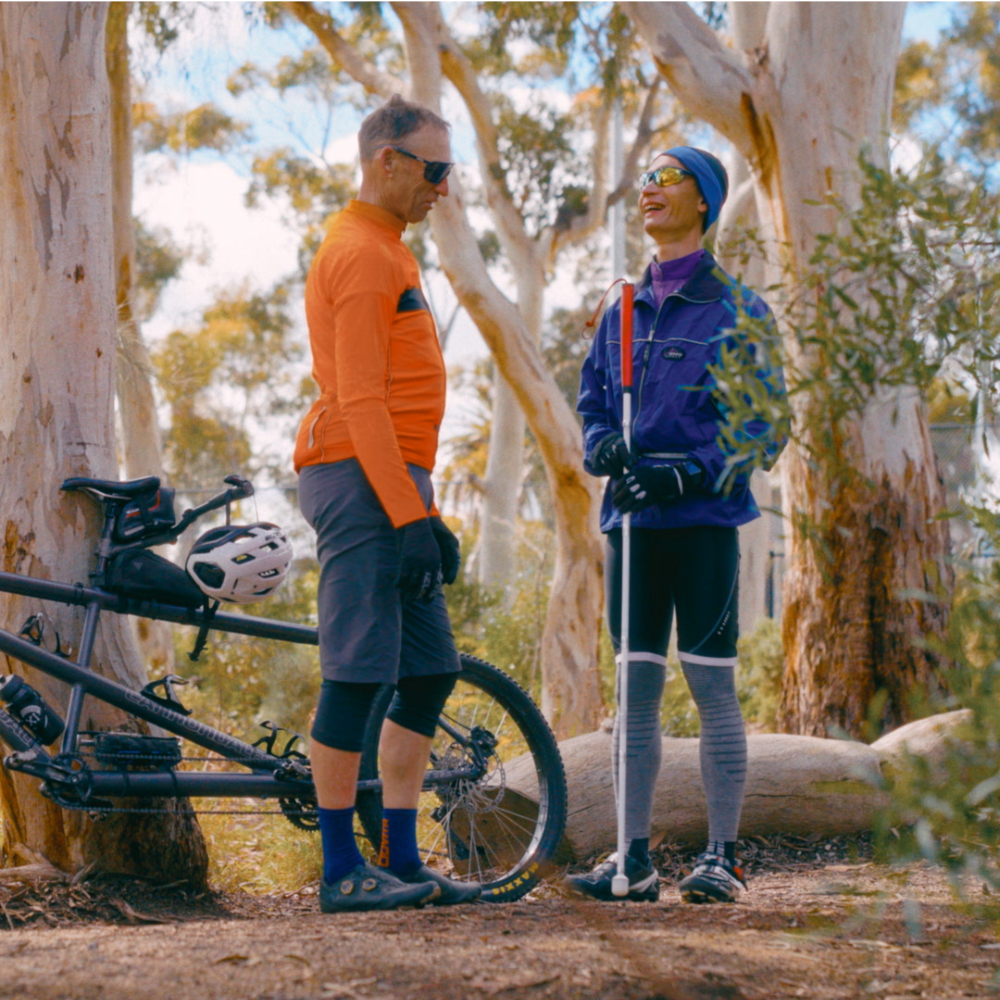
Two men stand smiling among eucalyptus trees next to a tandem mountain bike, with Simon on the right holding a white cane.

Different perspectives. Bright possibilities.

A white cane helps someone understand and navigate the environment around them. But some of the biggest barriers people who are blind or have low vision encounter aren’t physical.

They’re the assumptions people make about what someone can do.

International White Cane Day is an opportunity to challenge those assumptions and recognise that people who are blind or have low vision have their own goals, passions, careers and plans for the future.

In 2026, we’re sharing the stories of four Australians whose experiences remind us of something simple:

A lack of sight is not a lack of vision.

Watch their stories
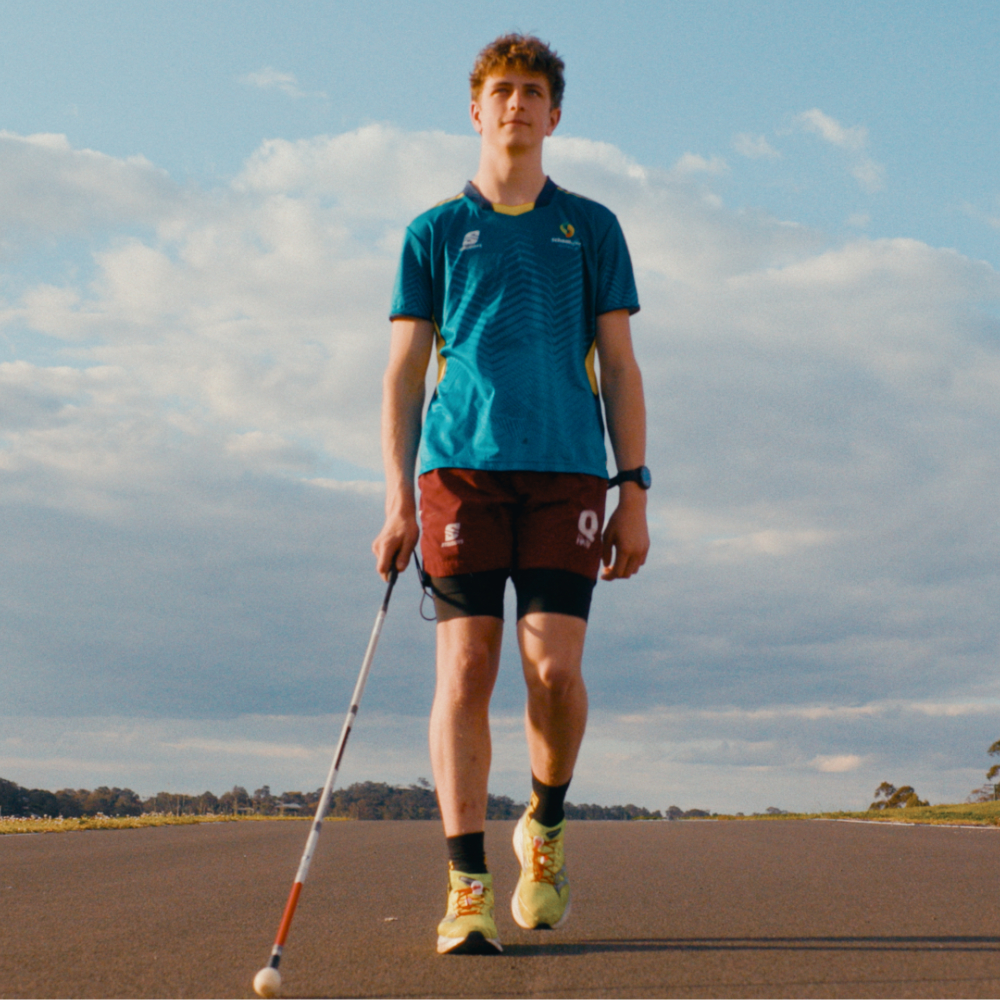
Mitchell walks down a road, holding a white cane in his right hand. He wears a teal t-shirt, maroon shorts, and bright yellow sneakers against a cloudy sky.

A vision to compete

Meet Mitchell

Mitchell is a para-triathlete with big ambitions.

Whether he’s training, competing or travelling to events, his white cane is one of the tools that helps him navigate unfamiliar environments and get where he wants to go.

Mitchell’s story is a reminder that vision isn’t just about what you can see. It’s about knowing where you want to go, and having the confidence and opportunity to pursue it.

Watch Mitchell’s Story
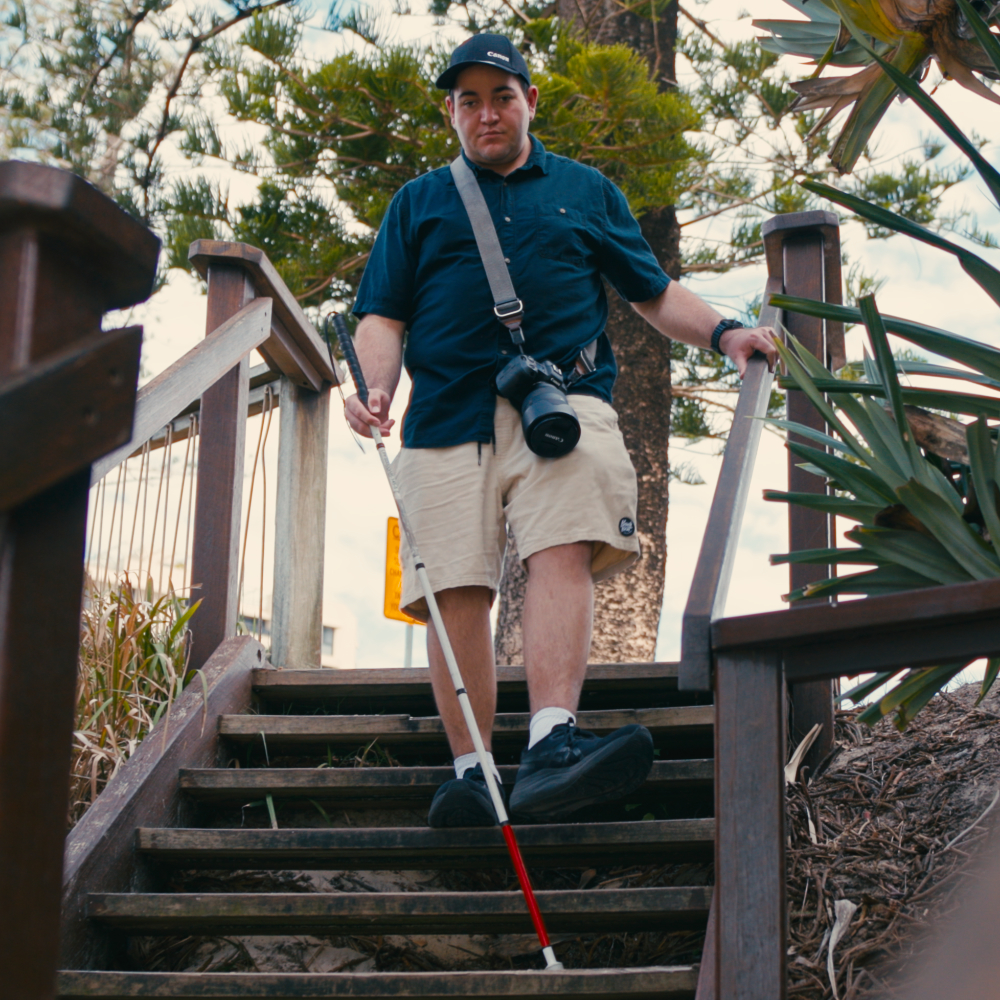
James wearing a cap and dark shirt, holds a white cane while descending wooden outdoor stairs, with a camera slung over his shoulder.

A vision to create

Meet James

James is a photographer with around two per cent vision.

His passion takes him to different locations in search of the right image, using his white cane to navigate the environment and pursue his creativity independently.

Photography might not be the career people immediately imagine for someone with low vision. That’s exactly why James’s story matters.

Our assumptions about another person’s abilities can become barriers in themselves.

Watch James’s Story
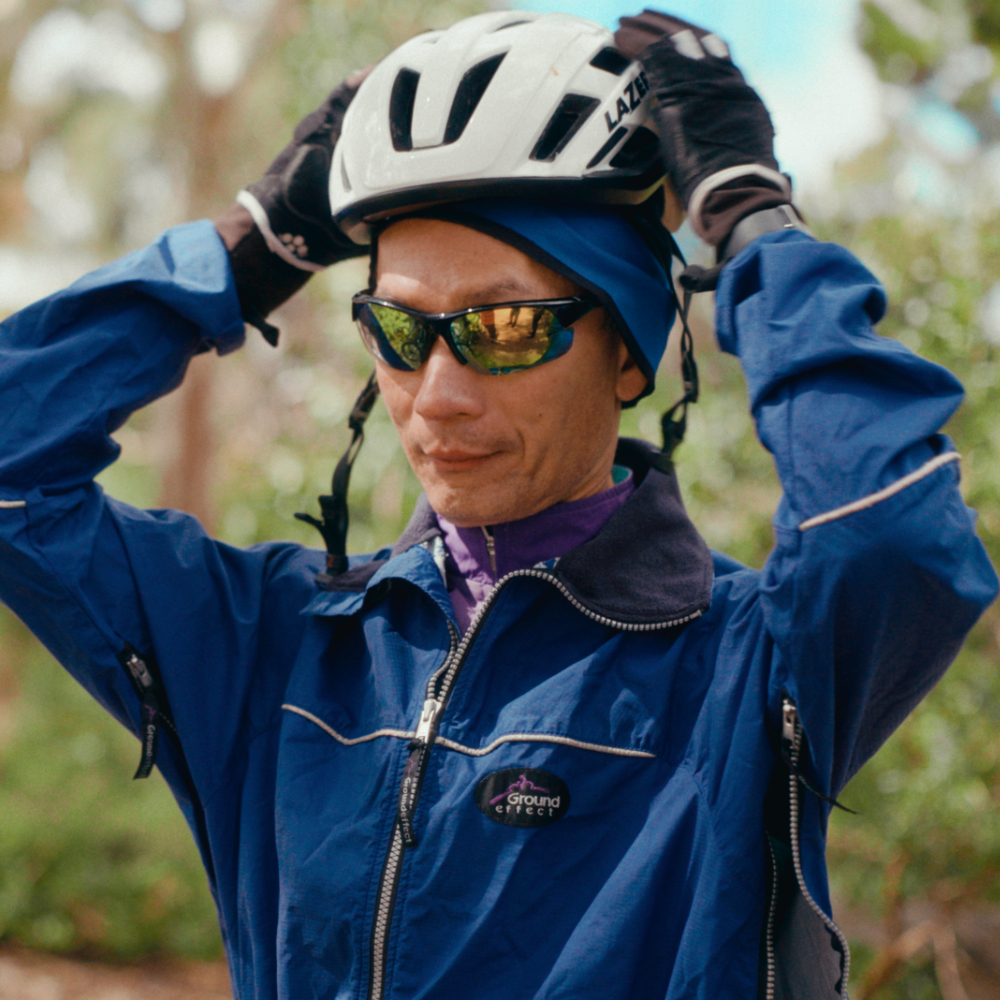
Simon adjusts his white bicycle helmet outdoors, wearing a blue jacket, sunglasses, and cycling gloves.

A vision to keep moving

Meet Simon

Simon is a tandem cyclist and runner who loves being active.

His white cane supports his independence away from sport too, helping him navigate everyday environments and continue doing the things that matter to him.

Simon isn’t defined by his sight. Like all of us, he’s defined by the life he chooses to live.

Watch Simon’s Story
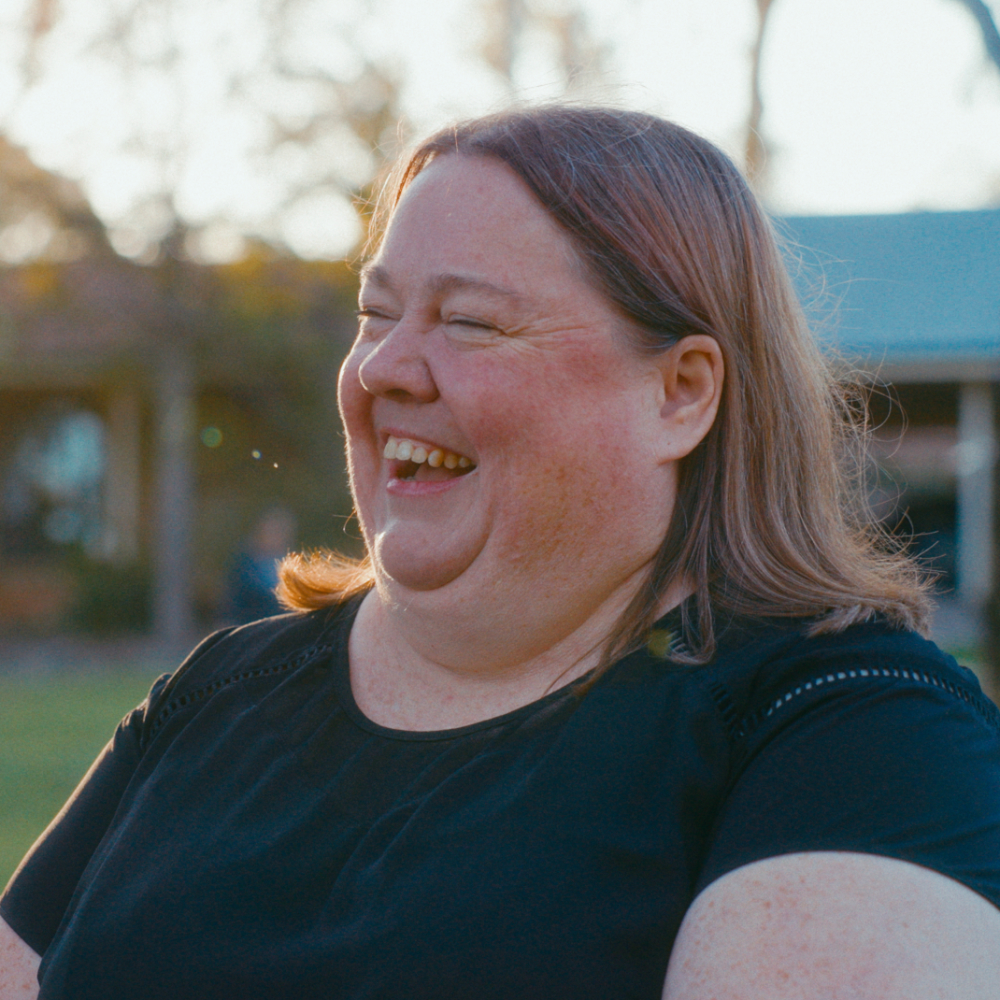
A side-profile portrait of Melissa laughing outdoors in the warm sunlight, wearing a black shirt.

A vision for change

Meet Melissa

Melissa is an advocate who is passionate about independence and creating a more accessible community.

Her story demonstrates the importance of listening to people with lived experience when we design our communities, services and systems.

Because accessibility isn’t simply about removing physical obstacles. It’s about removing the attitudes and assumptions that can stand in people’s way.

Watch Melissa’s Story
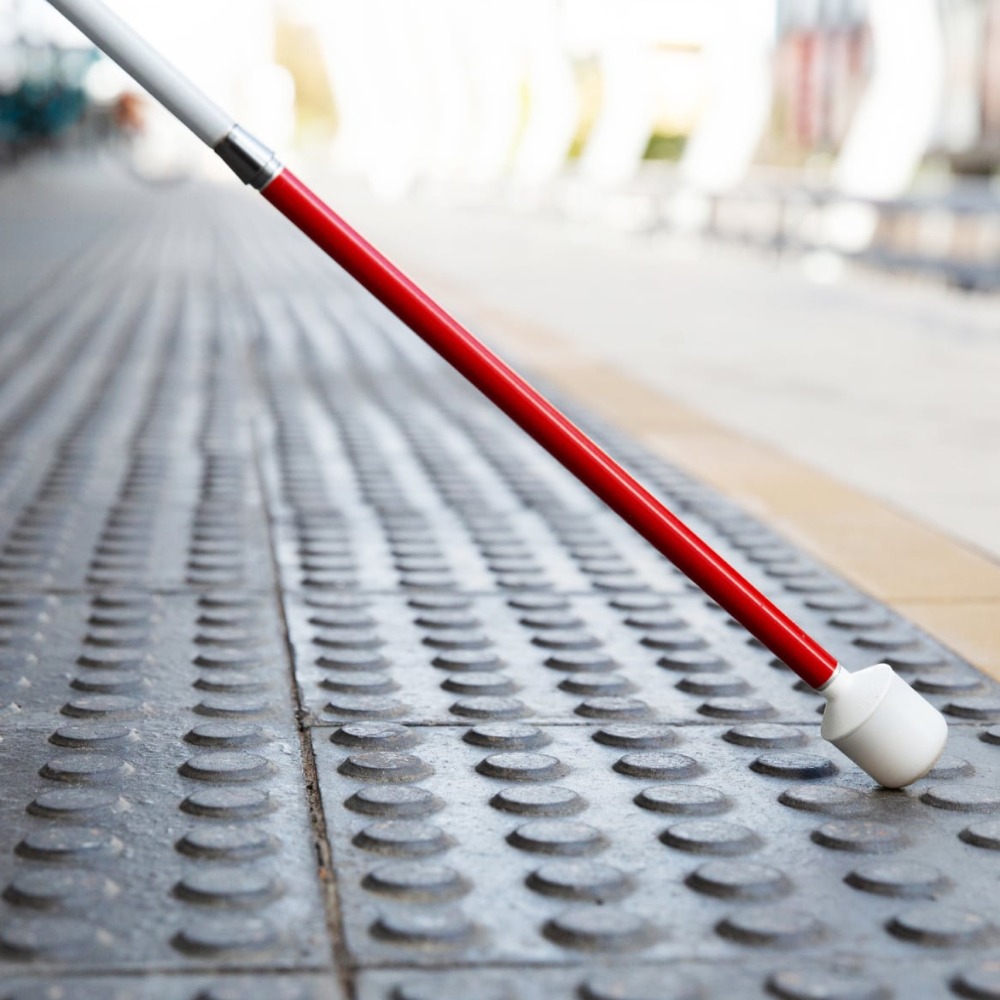
A red-and-white mobility cane sweeps across tactile paving tiles on a train platform.

What does the white cane do?

For many people who are blind or have low vision, a white cane is an important mobility tool.

It can help someone detect changes in surfaces, identify obstacles, navigate unfamiliar environments and travel both safely and independently.

There are different types of canes and different ways people use them. Some white cane users may have no sight, while others have partial or changing vision.

Most importantly, seeing someone with a white cane doesn’t mean they need your help.

Learn More about White Canes

Our vision for a more accessible Australia

International White Cane Day is also an opportunity to think about the communities we want to create.

Accessible streets and public spaces, inclusive workplaces and digital services everyone can use. Transport that’s easy to navigate and communities where people who are blind or have low vision are recognised for their capabilities rather than their disability.

Guide Dogs works alongside people who are blind or have low vision, building skills, confidence and independence.

It starts with listening to lived experience, challenging our assumptions and removing barriers wherever we find them.

A lack of sight is not a lack of vision.

This International White Cane Day, let’s help create a community where everyone has the opportunity to pursue theirs.


Learn More about Guide Dogs