Your personalised support services

Based on your answers, we’ve curated a list of services that might interest you.

Your suggested services

Neurological Vision Services

Neurological Vision Services help individuals master daily living skills after a brain injury or neurological event that has affected their vision. 

  • Teaching scanning techniques to maximise remaining vision
  • Developing strategies for safe and confident travel, including crossing roads and using public transport
  • Providing training in problem-solving and planning skills for independent living
  • Offering support for the use of assistive technologies in daily tasks
  • Tailoring programs to individual needs, goals, and settings, from hospital to home and community

Orthoptics

Orthoptics services help individuals understand their level of functional vision and learn techniques to access visual information effectively. 

  • Assessing vision to determine what can be seen and how to best utilise remaining sight
  • Recommending strategies and low vision aids to achieve personal goals
  • Providing guidance on optimal lighting and positioning to improve functional vision
  • Offering support for reading, writing, and processing information at various distances
  • Addressing challenges related to glare sensitivity, lighting changes, and social situations

Assistive Technology Training

There are many tools and devices to help you access information, find your way around, connect with friends, or enjoy your favourite activities.

Dog Services

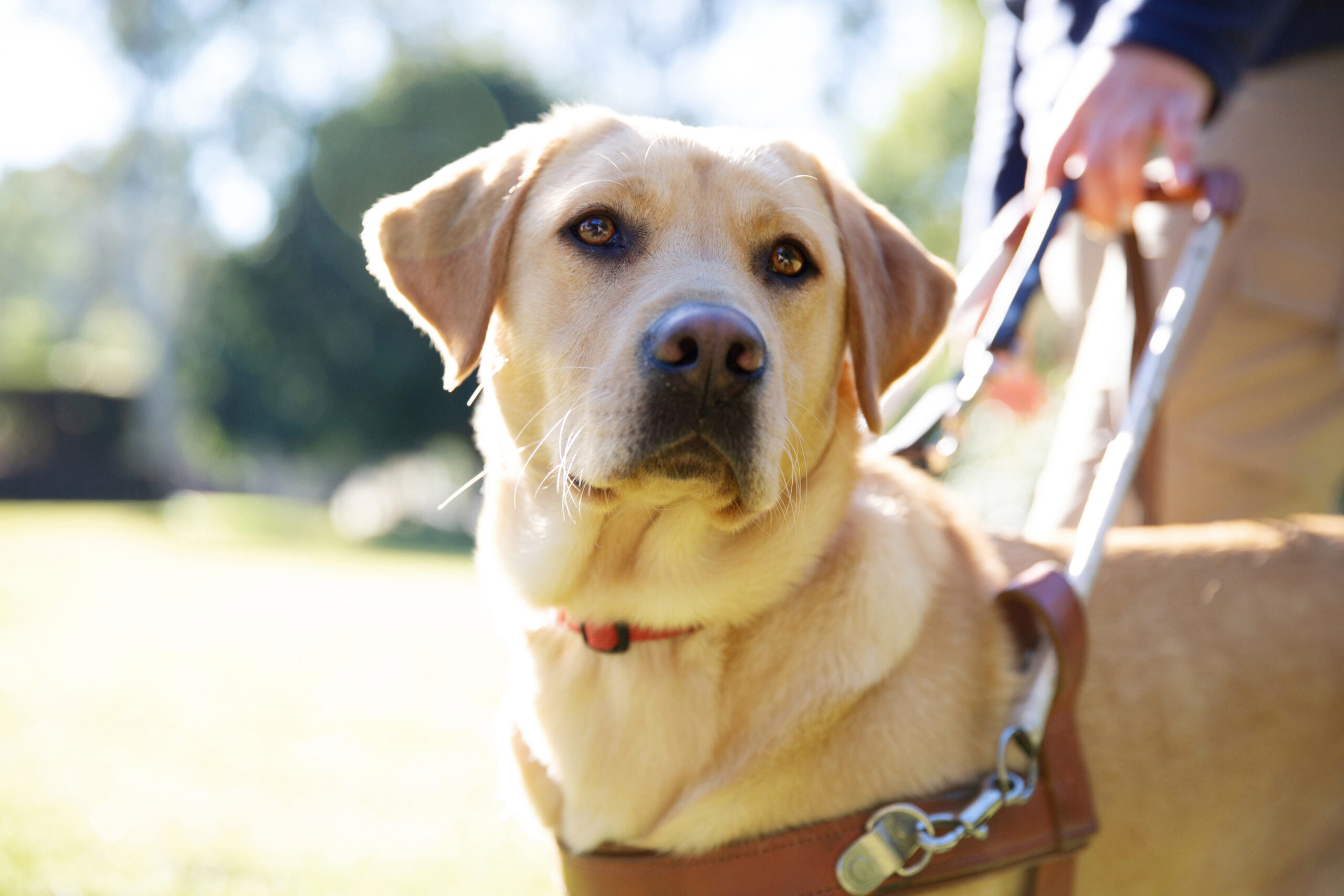
Dog Services help individuals with low vision or blindness enhance their independence and confidence through the support of highly trained dogs. 

  • Providing expertly trained Guide Dogs to assist with safe and independent travel
  • Offering emotional support and companionship to people of all ages, including children and the elderly
  • Providing therapeutic benefits to individuals in hospitals, schools, and community centres
  • Helping children with autism and their families by improving safety, confidence, and independence

Orientation and Mobility Skills

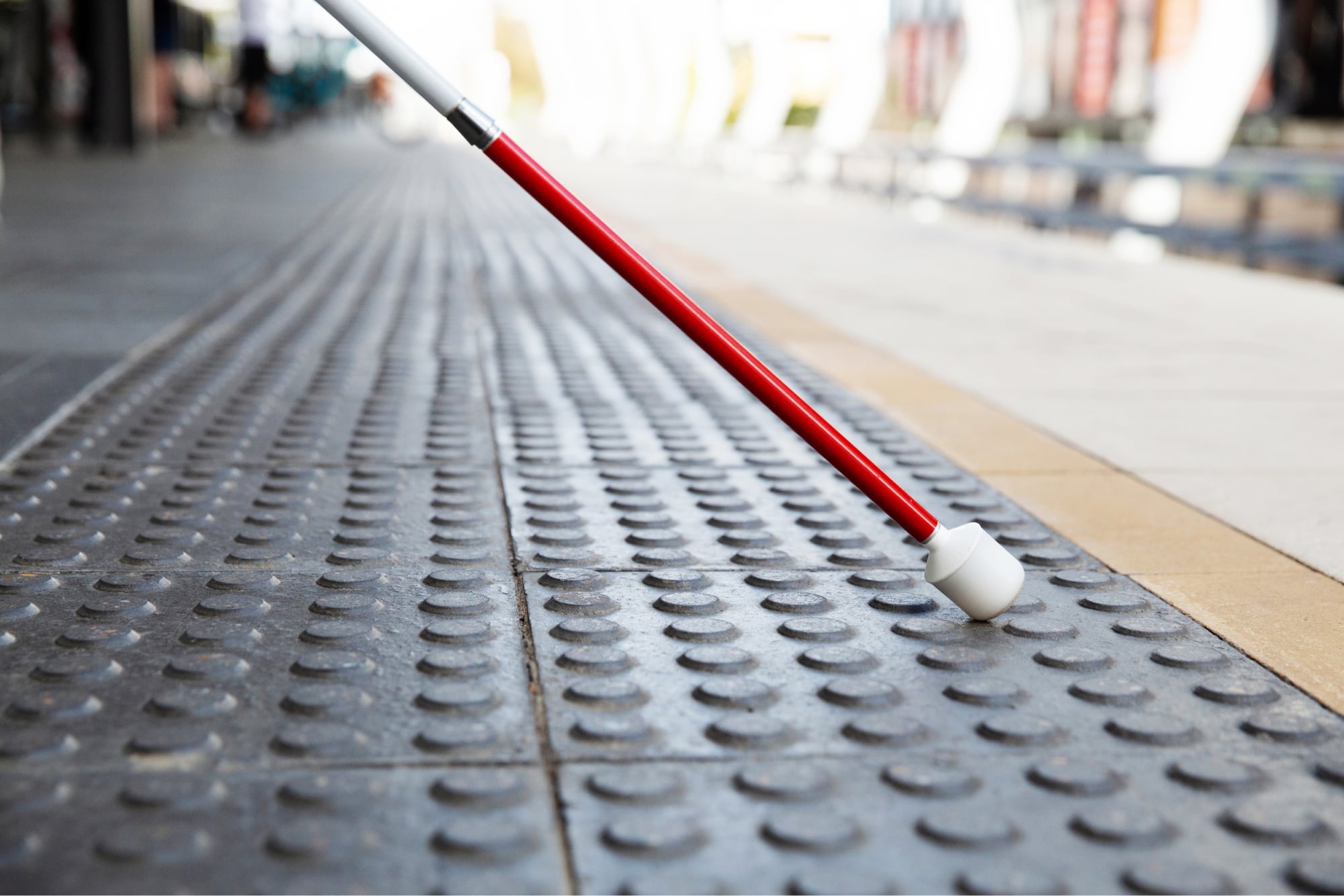
Orientation and Mobility (O&M) training helps individuals with partial vision or blindness navigate their world safely and confidently. 

  • Teaching practical skills for independent travel at home and in the community
  • Providing support for children to explore and understand their environment
  • Offering training in the use of mobility aids and assistive technologies
  • Tailoring programs to individual needs, goals and skill levels

Funding Support

Funding Support services help individuals with low vision or blindness access the services and equipment they need. We assist you in navigating the various funding options available to cover the cost of services, aids, and equipment. 

  • Assisting you in understanding and accessing NDIS funding for Guide Dogs services, assistive technology, and more
  • Helping older Australians access government-funded support for Guide Dogs services through My Aged Care
  • Dedicated Support Coordinators to help you understand your needs, set goals and engage with the NDIS. 
  • Education Department Funding support for eligible children in South Australia.

Occupational Therapy

Occupational Therapy helps individuals with low vision or blindness learn, regain or maintain the practical skills needed for independence in daily life.

  • Teaching personal care skills like grooming, dressing, and medication management
  • Developing domestic skills for cooking, cleaning, gardening, and household tasks
  • Providing training for community-based skills like handling money and grocery shopping
  • Offering support for communication, including using phones, handwriting, and assistive technologies
  • Optimising the home environment to maximise safety and independence

Community Classes and Peer Support

Get out and explore the world to connect with new people.

Psychology and counselling

Our Psychology and Counselling services support individuals with low vision or blindness as they adjust to changes in their vision and navigate emotional challenges. 

  • Developing strategies to adjust to changes in your life 
  • Helping you navigate the emotional impact of vision loss, focusing on building resilience and confidence
  • Addressing concerns such as anxiety, depression, and other mental health issues related to vision loss

Early Childhood Services

Early Childhood Services support children with low vision or blindness from birth to six years of age. Our services provide essential tools and strategies to promote your child’s growth, learning, and independence. 

  • Helping your child develop important life skills such as independent movement, problem-solving, and early literacy through braille or large print
  • Providing guidance on feeding, dressing, and other daily tasks to foster independence
  • Offering support for social skills and interaction with family, peers, and the community
  • Creating tailored strategies to maximise the use of your child’s vision or provide alternative ways of exploring the world if they have no functional vision
  • Recommending modifications to your home environment to support your child’s learning and independence

Ready to take the next step?

Click below to make an enquiry or request a service in your state or territory.

Discover where we are near you:

Choose your state or local community for further details.

Didn’t find what you were looking for?

From guide dogs to assistive technology support, discover our full range of vision support services below.