International White Cane Day

On IWCD, we celebrate the achievements of people with blindness or low vision.

International White Cane Day

International White Cane Day (IWCD) is always an important day on the Guide Dogs calendar – as the white cane is the mobility tool of choice for the majority of Guide Dogs Clients. Right now, the importance of the white cane as a visual signifier of low vision and blindness is more important than ever. It’s a reminder to everyone to social distance so people with low vision or blindness can continue move safely, confidently and independently through any environment.

“Look up. Listen up. Let me be.”

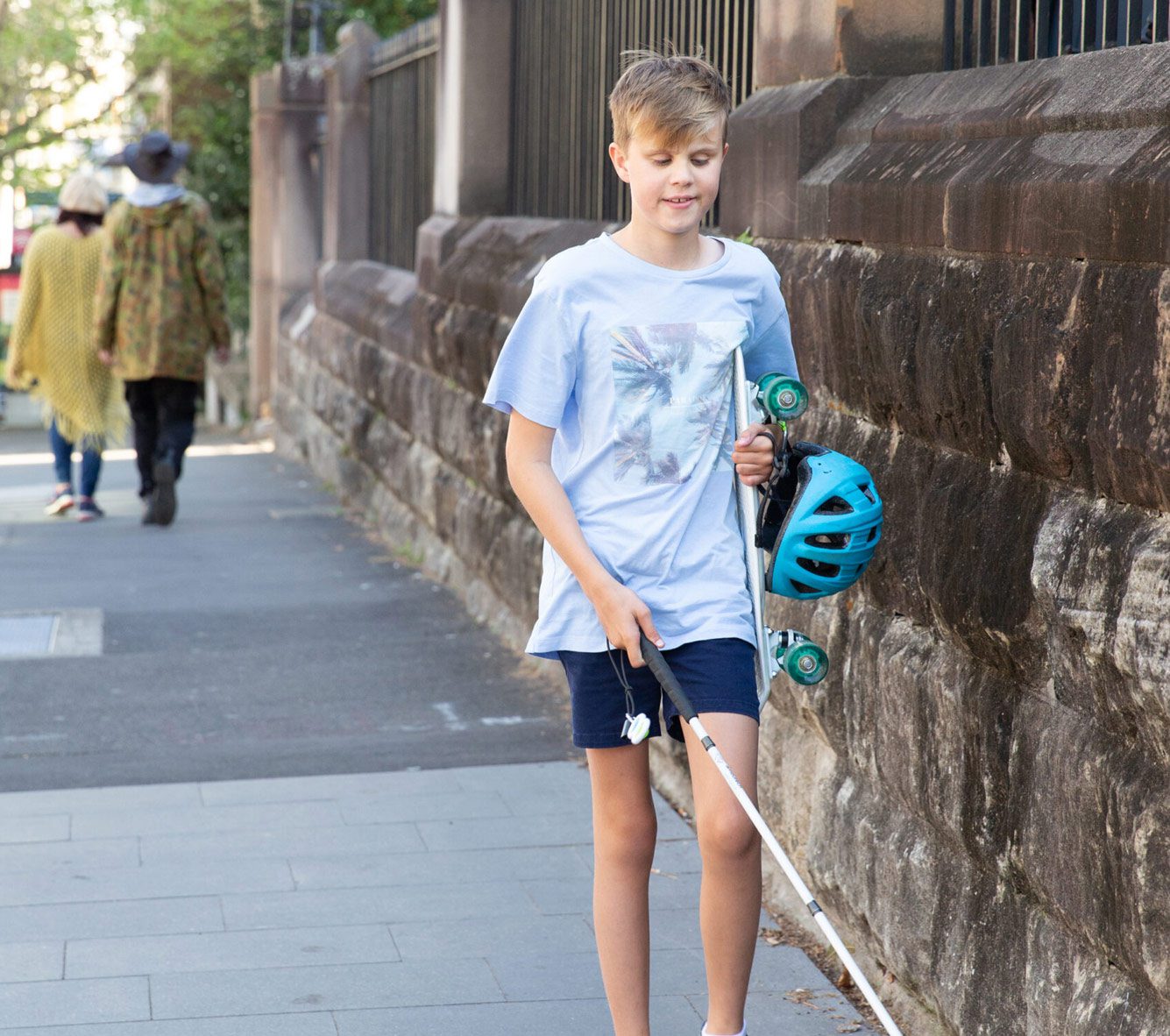
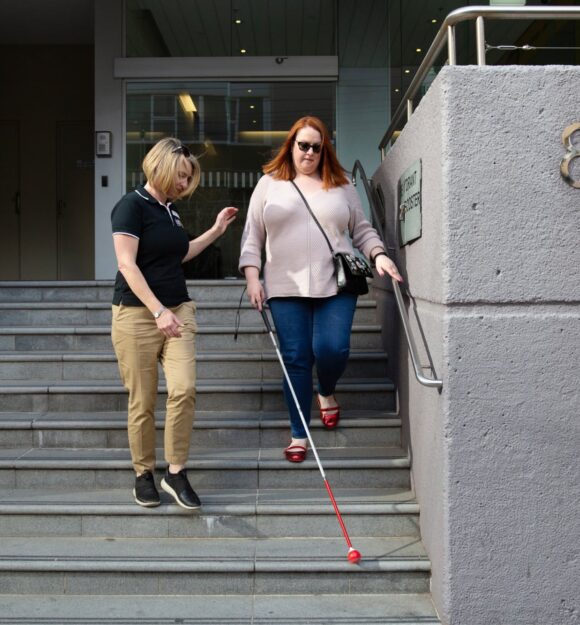
This International White Cane Day Guide Dogs Australia’s ‘Look up. Listen up. Let me be.’ campaign is urging the public to be more aware of how they might be obstructing people with low vision or blindness, with the aim of making our streets safer and more accessible for all. Crucially it asks that people look up from their phones and turn the volume down or off – as well as discouraging would-be helpers from grabbing white cane users, or their canes, without asking do they need help first.


A recent Client survey by Guide Dogs Australia ahead of International White Cane Day on October 15, shows that 3 in 4 cite people distracted by mobiles and headphones as the key cause of obstructions to their path of travel.

Following device distraction, around half of the respondents identified people riding bikes and scooters on pathways as one of the main ways they’ve been put in danger, with these incidents often leaving them feeling at risk of physical harm.

The “Look up. Listen up. Let me be.” campaign focuses on how we can take simple steps to create a more accessible environment not just for people with low vision or blindness, but for everyone.

Take the quiz to find out if you could be an obstacle to people with low vision or blindness

“Look up. Listen up. Let me be.”

Click here for a full video description.

Watch our videos below to hear from Paralympic Medallist and Guide Dogs Ambassador Jaryd Clifford, Prudence and her son Henry who uses a white cane, and Jenny, a Guide Dogs Client from Queensland.

How accessible is your business?

  • Question 1 of 5 Are you an obstacle for people with low vision or blindness? Take the quiz and find out!

    Do you know what a white cane is and what you should do when you see someone using one?
  • Question 2 of 5 Do you use your phone while walking in public?
  • Question 3 of 5 Do you wear headphones while out and about?
  • Question 4 of 5 Do you ride your bike or scooter on footpaths?
  • Question 5 of 5 When you see someone with a white cane, do you attempt to assist them to get to where they want to be by taking their arm or grabbing their cane?
0% complete

“Before I started receiving services from Guide Dogs I was scared to travel on my own. I was shy and wouldn’t ask people for help. My cane and travel training has really helped me to open up, build my confidence and break my isolation. Now I have more confidence and I go everywhere!

However, one of the main challenges I experience when out and is people with their heads in their mobile phones. It’s awkward if I bump into them with my cane. Also, it’s great when people ask do I need assistance, but if I say no, please let me keep on my way. By grabbing my arm or taking me off my known path, I can get distracted and disoriented and have to retrace my steps. “

Hannen Abdallah Guide Dogs Client and white cane user

Level up your awareness game

Paralympic Medallist and Guide Dogs Ambassador Jaryd Clifford shares his top tips for how to create a safer community for everyone:

  • Look up from your mobile phone, device or whatever else might have your attention.
  • Listen up, by lowering your earphone volume.
  • Let them be. If you see a person with a white cane, be aware and give them space to navigate.
  • Never grab or touch a person with a cane without their permission. Always ask the person first if they would like assistance and if so, how.


Resources

Resources

Learn more about how you can create a safer community not just for people who use a white cane, but for everyone.

  • Guide to practical inclusivity
    View
  • How to safely offer sighted guide
    View
  • Hear Kodi's story
    View
  • Hear Amy's story
    View