Neurological Vision Services

Master day-to-day living skills after a neurological event.

A person picking up a piece of buttered toast that is on a wooden board. There is a second piece of toast on the board
What are Neurological Vision Services?

Learn skills for independent daily living after an accident or neurological event.

The human brain plays a major role in processing what we see. It also determines how we understand visual information in the world around us. As a result, a brain injury or event—usually caused by something like a stroke, nerve damage, or tumour—can change your vision and affect the way you move through the world.

Regardless of how a brain injury happens, readjusting to daily life with a change in vision can be challenging.

Neurological Vision Services reduce the challenges of adjusting to daily life by equipping you with valuable skills for day-to-day living, at home and in the community. These skills ensure you can stay as independent as possible after a major neurological event.


What type of skills can I learn in Neurological Vision Services?

You can learn many different skills to live with greater independence and confidently go about your day.

Neurological Vision Services are tailored to suit your personal story. We’ll get to know your situation and support you to achieve your specific goals. Some of the things you can learn include:

  • Learning scanning techniques to make the most of your remaining vision.
  • Improving your understanding of how your vision has changed, and how it might impact daily tasks.
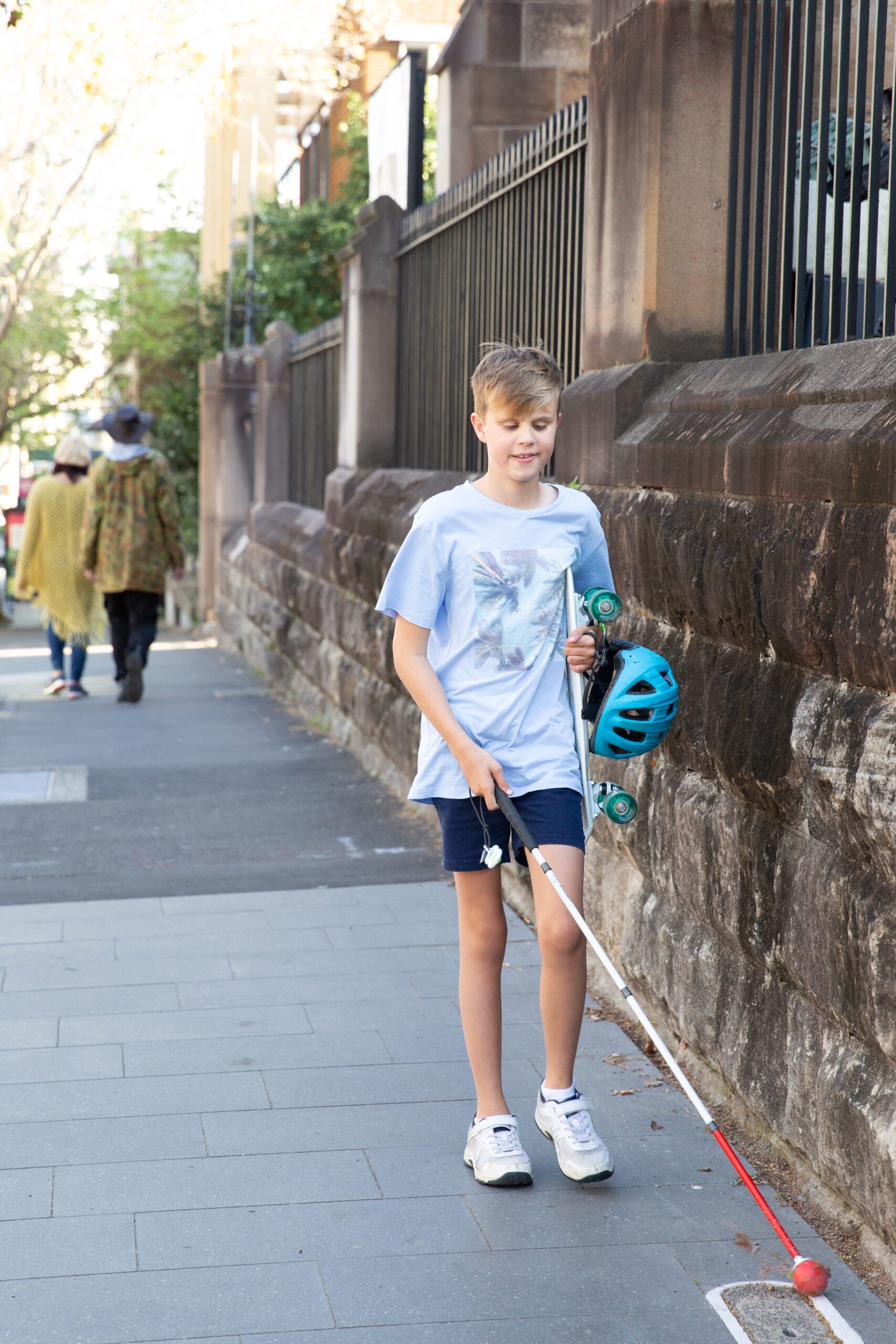
  • Different ways to cross the road safely.
  • How to use public transport with confidence.
  • Planning and problem-solving skills you can use while travelling independently.
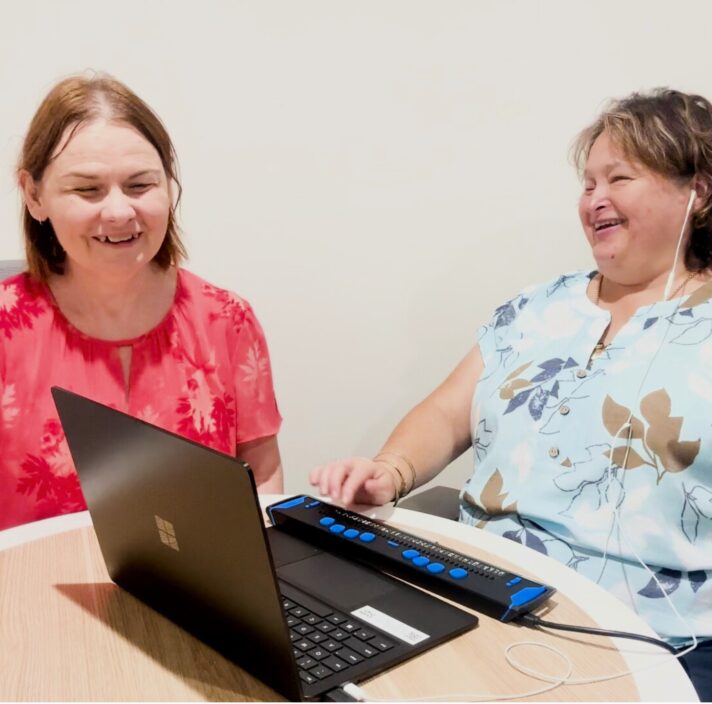
  • Learning to use technology to make tasks easier.
  • Applying your skills in different settings, from the hospital to your home, and while exploring the community.
How we tailor services to you

Understanding your needs to help you achieve your goals.

Every brain injury is different. Our training is tailored to suit your experience and support you to achieve your specific goals.

The first step toward your goals is usually an assessment. This helps us to understand your unique needs in detail before training begins.

Once our team of specialists has a detailed understanding of your situation—and what you hope to achieve—we can work towards achieving your objectives together.

Request support

Take the first step towards greater independence.

If you have a question or need help, our team can assist.

    This will help us make sure the right team receives your enquiry.


    Please use our dedicated referral form so that we can capture all the required details.


    Examples: “I have recently been diagnosed with an eye disease” or “How can I navigate my environment more safely?”
    Note: If you’re not sure, leave this section blank and our team will get in contact and talk you through the support and services available to help you achieve your goals.

    A specialised team to support your goals

    Meet the potential members of your support team.

    While everyone’s experience of Neurological Vision Services will be different, here are some of the specialised professionals and support staff you might meet along the way.

    Orientation and Mobility Specialists.

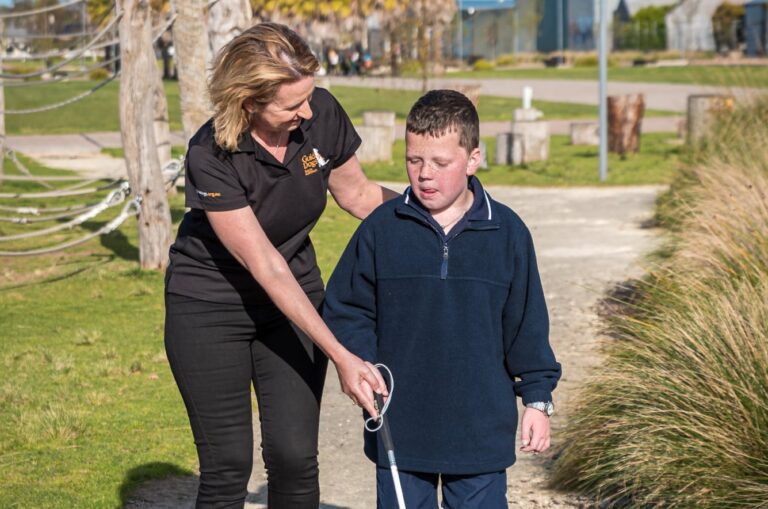
    These highly trained specialists will likely be your main point of contact for training. They’ll work with you to teach a range of skills in line with your personal goals—particularly those that require you to safely travel through your community—which you’ll help identify and contribute to.

    Physiotherapists.

    These specialists can provide an important support by assisting you to overcome the mobility and movement challenges associated that can be caused by a neurological event. This can include fitness and balance exercises for mobility training (in partnership with other members of your support team), suggestions for modifying your home layout to make it safer or easier to enjoy, and more.

    Additional Specialists.

    We can also connect you with other specialists in the community for additional support as needed, like Optometrists, Neuropsychologists, and Audiologists.

    Occupational Therapists.

    Occupational Therapists will support you to develop skills and strategies to live more independently. They may also be involved in assessing your vision level, and can make recommendations to ensure your home best supports your needs or preferences.

    Counsellors.

    If you’ve experienced a neurological event, counsellors can play an important role by providing emotional support, guidance, and coping strategies. This can be helpful for you and your family, especially as you adjust to a change in life circumstances.

    Orientation and Mobility Training

    Orientation and Mobility is a term that covers the concepts, skills, and techniques to help you travel safely and efficiently. You’ll learn practical skills to get where you want to go with confidence.

    Occupational Therapy

    Support to learn the skills and techniques you use in everyday life, like making dinner, gardening at home, or doing the grocery shopping.

    Psychology and counselling

    When you experience a change in vision, you have to adjust to a new way of understanding the world. It can be difficult, but we’re here to support you through every step.

    Depending on your personal needs and preferences, you may benefit from multiple services in combination for the best possible support.